
ChamSys and MediaMaster light up Y Llais, the Welsh version of The Voice
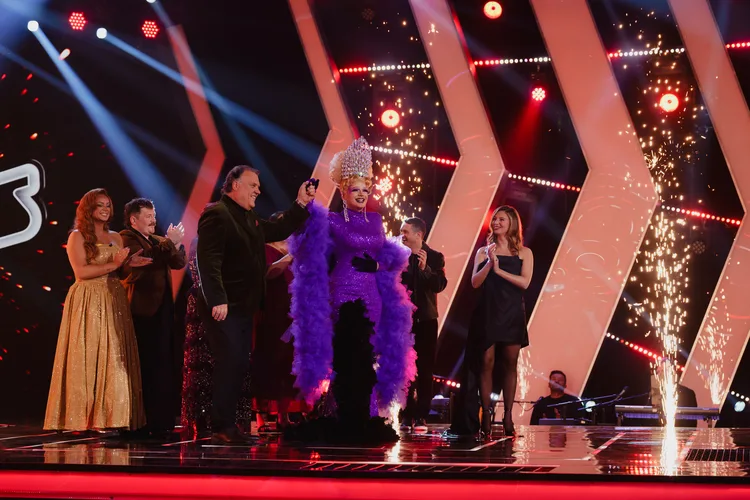
Lighting director Andy Stagles and programmer Bill Peachment lit Y Llais, the Welsh-language edition of The Voice broadcast on S4C, with a ChamSys MagicQ MQ250M Stadium console that also triggered video content through MediaMaster.
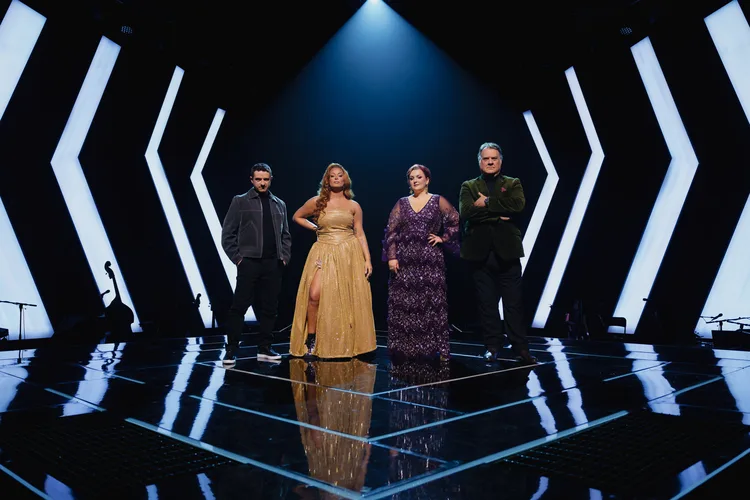
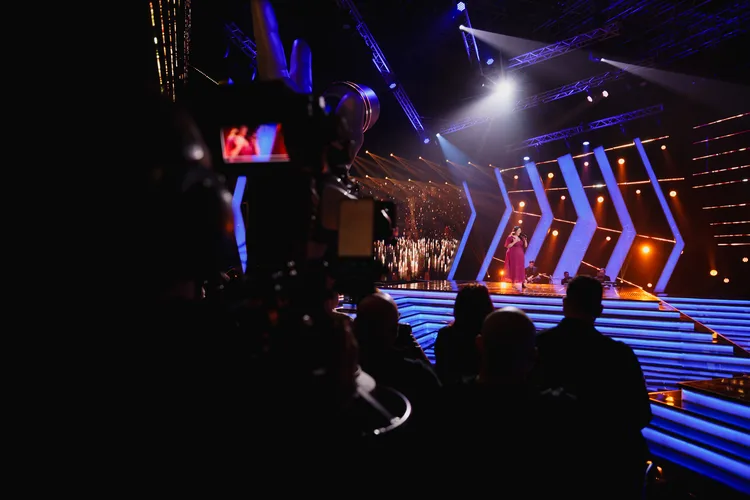
Produced by Boom Cymru at Dragon Studios in Bridgend, South Wales, the show featured a set by designer David Marson that combined physical elements with a rear video screen, creating depth on stage and better 3D results on camera.
Previsualisation to stretch the budget
I pride myself on getting the most out of the small budget – it requires me to think outside the box. Before recording starts, I develop my lighting designs within the 3D virtual world, said Stagles, founder of Lighting Director Limited.
Production sends him every track and he tailors a look for each song. The team uses WYSIWYG together with ChamSys control and MediaMaster (with NDI input) to previsualise each song and build a cue stack, which Peachment then busks during the shoot.
“No timecode is used,” said Stagles. “It is all cues called/button press on the beat.” The virtual workflow lets the team experiment and revise without the time pressure of a full crew, and helps with creative pitching to the production company.
Console and media in one ecosystem
Peachment worked with an MQ250M Stadium plus an extra wing, with MagicQ Stadium Connect for tracking backup.
ChamSys is my go-to console. I can build complex effects in a simple and logical way, especially with multi-element fixtures. The MagicQ software is robust and really lends itself to the fast-changing demands of TV production, he says.
Having the faders tied together, he adds, lets several operators focus on different areas while staying in the same ecosystem. “The MediaMaster LED Mapper makes running content across multiple surfaces easy and quick to set up,” continued Peachment, who also highlights the MagicQ Fast Effects Engine for changes on the fly and the new shuttering GUI.
No timecode: every cue is fired by hand, on the beat, from the MQ250M Stadium.
Lighting for camera
“You need to consider how the lighting looks on camera,” said Stagles. “Our eyes have a much higher contrast ratio than the cameras – so the difference between things that are bright, and dark is much more subtle when on camera, compared to being in the audience.” Close-ups make key light positions critical.
TV lighting is a different discipline to theatre and live events, and when you’re lighting live performances with plenty of close-up shots, the stakes are high! said Stagles.
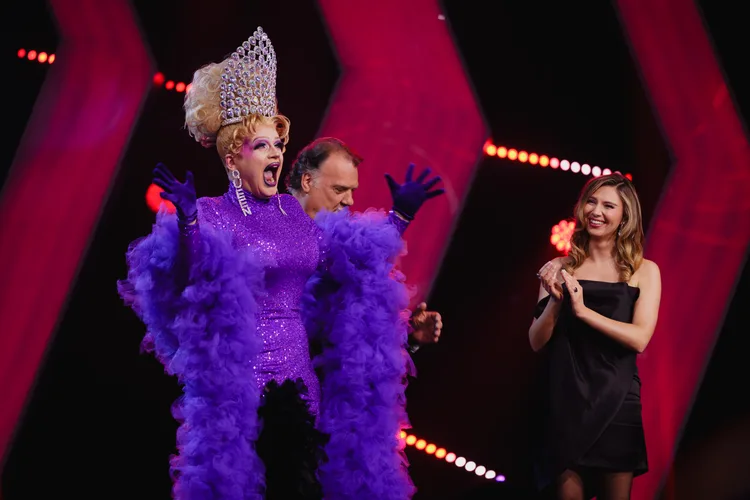
Fit-up days run 10 to 12 hours to turn Dragon Studios’ empty stage into the competition set.
Products used: ChamSys MagicQ MQ250M Stadium with an extra wing, MagicQ Stadium Connect and MediaMaster with NDI input.
Photos: © ChamSys
 Instagram
 LinkedIn
Latest
Home →
ETC takes Halcyon outdoors with Carbon, Graphite and Diamond
Martin Audio Wavefront Precision conquers a 13-second reverb at Liverpool Cathedral
GLP: almost 500 JDC Burst 1s for Swedish House Mafia at Ullevi
Marshall: a single CV228 camera powers Mochakk's visuals at Coachella
Robe takes Carnegie Hall all the way to the Moon for a PBS special
L-Acoustics: Kurhaus Wiesbaden doubles up with two systems in one hall


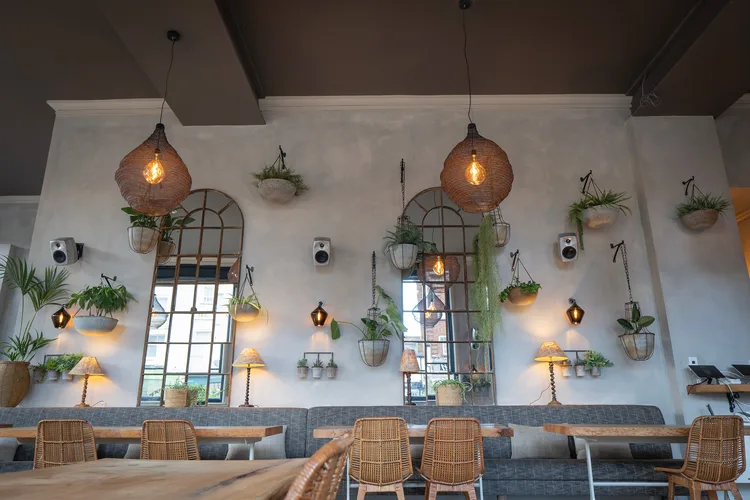
Genelec Smart IP sets the tone at London’s Black Rabbit restaurant
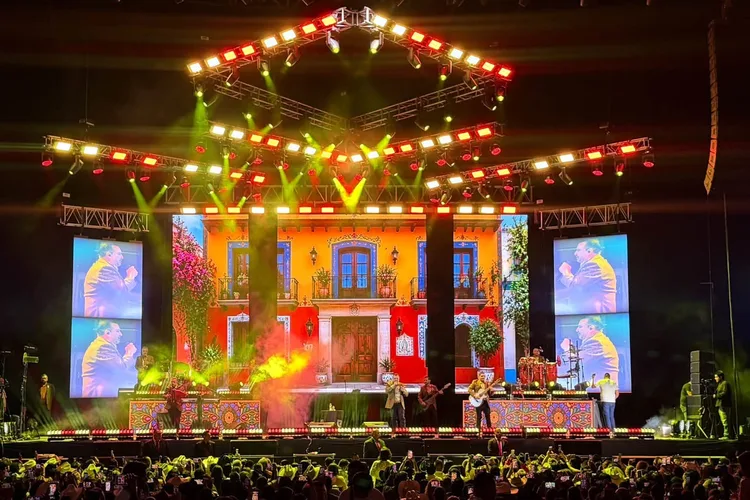
70 CHAUVET Maverick Storm fixtures in a V for Conjunto Primavera’s La Terapia Tour
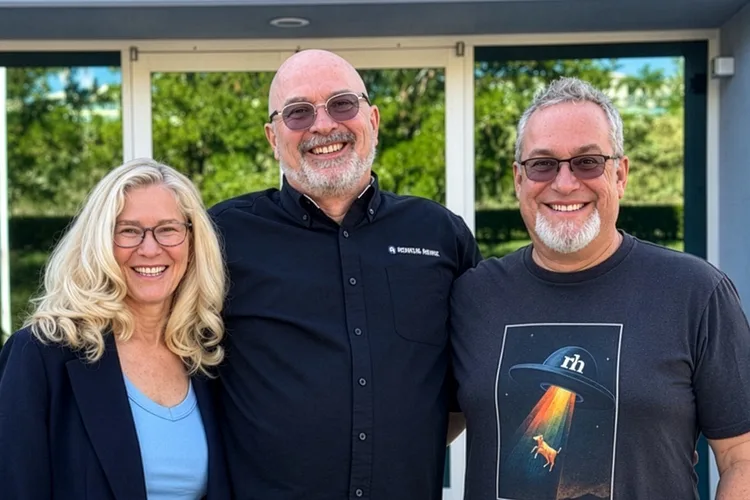
Jonathan Phillips takes the helm at Renkus-Heinz as its new President