
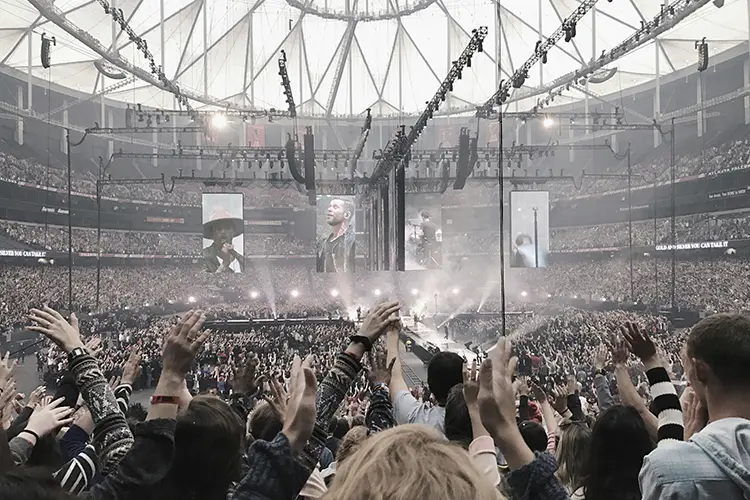
The live events and stage production industry is evolving with technological advances that are redefining setup and staging. New solutions in elevators, structures, and stages are transforming how shows are planned and executed, bringing greater efficiency, versatility, and safety.
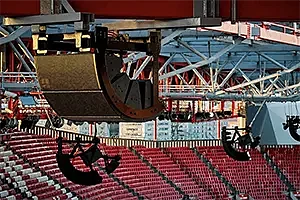
First, hoist systems have experienced a remarkable technological leap thanks to automation and digital control. The new hoists offer precise, rapid adjustments, allowing the stage to be transformed in record time during events. This advancement significantly reduces setup and teardown times while minimizing operational risks. The ability to move heavy elements swiftly enables technical teams to focus on the creative aspects of the event, facilitating dynamic scene changes that meet the demands of each production.
On the other hand, the load-bearing structures, essential for stage configurations, have benefited from the use of cutting-edge materials. Lightweight alloys and carbon fiber composites have enabled the development of structures that combine strength and lightness. These innovations have opened the door to bolder, more flexible designs, enabling the creation of modular stages that adapt to various needs, from concerts and theatrical productions to corporate events. The adaptability of these systems allows for customized spaces that transform easily according to the show’s narrative and style, while still providing a solid and safe foundation.
 |
 |
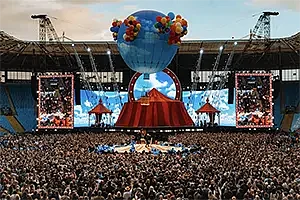
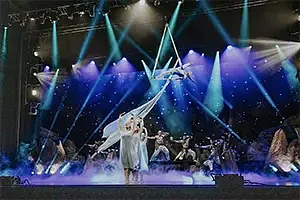
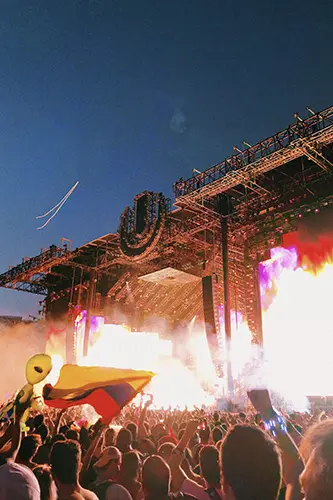
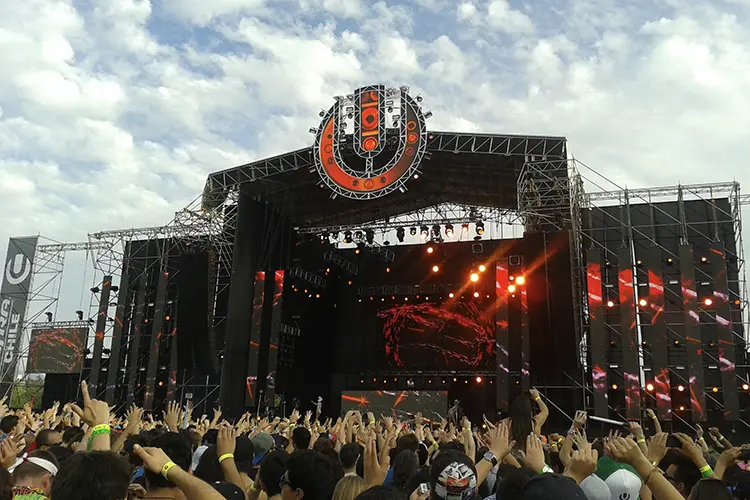
Modern stages have evolved into true technological canvases. Today’s modular platforms simultaneously integrate hoist systems, load-bearing structures, audiovisual equipment, lighting, and sound. This integration ensures that the stage is not only visually striking but also functional and adaptable to the demands of complex productions. The incorporation of interactive technologies, such as LED screens and high-definition projection systems, enriches the audience experience and elevates production value to new heights.
A key aspect of this transformation is automation. With the implementation of control software and smart sensors, hoist and structure systems can be adjusted in real time during an event.
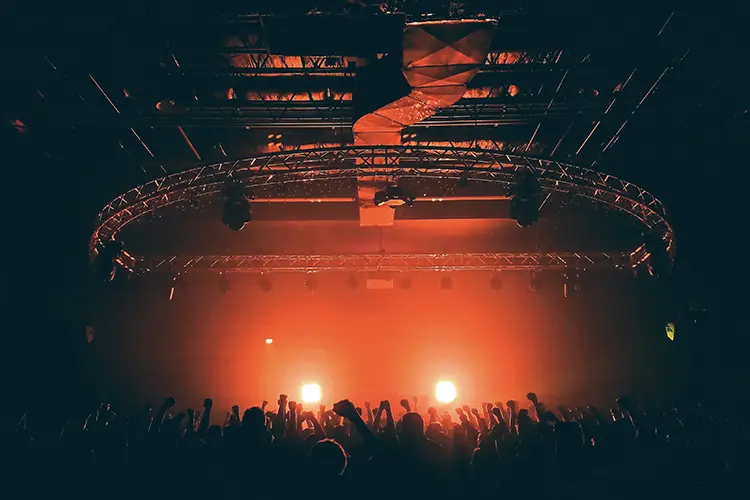
This instant responsiveness allows scene modifications without interrupting the presentation, ensuring smooth and coordinated transitions. Centralized control of the various stage elements reduces the margin for error and optimizes synchronization between lighting, sound, and movement, resulting in a more seamless and exciting experience for the audience.
 |
 |
Safety is another fundamental pillar in the development of these technologies. Manufacturers have integrated continuous monitoring systems and emergency protocols to ensure proper equipment operation, even under demanding conditions. The inclusion of load sensors and automatic locking mechanisms in hoists and structures minimizes failure risks and protects both operators and spectators. These advancements not only enhance event operability but also provide greater peace of mind during each setup.
In addition, sustainability has gained significant importance in the design of these systems. The use of recyclable materials and optimization of energy consumption are aspects that make a significant difference in event production. The new solutions are designed to be environmentally friendly without sacrificing quality or technical performance. This sustainable approach becomes an added value in an industry that increasingly values ecological responsibility, allowing high-level shows to be produced with a lower environmental impact.
The democratization of technology in elevators, structures, and stages is also revolutionizing the sector. What was once exclusive to major production companies and international events is now accessible to small and medium-sized enterprises. Modular and scalable solutions offer more organizers the possibility to produce events with high technical and creative standards, fostering competitiveness and innovation in the market.
 |
 |
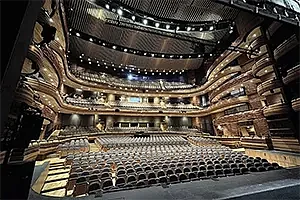
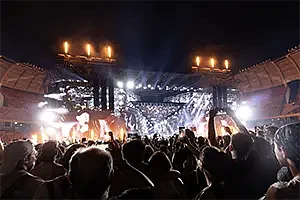
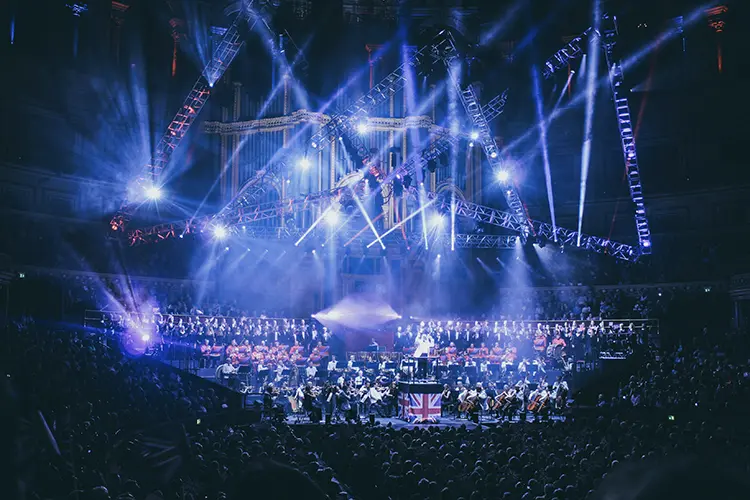
These technological advances have demonstrated their impact not only in live events but also in fixed installations such as theaters, convention centers, and stadiums. The ability to quickly reconfigure spaces to accommodate different types of shows is an advantage that enhances both audience experience and venue operability. The integration of technology, safety, and sustainability into a single package is shaping the future of stage production, where every event becomes a comprehensive work that surprises and excites.
In summary, the evolution in elevators, structures, and stages is marking the beginning of a new era in live production. With automated systems, innovative materials, and modular designs, the industry is preparing to meet the challenges of ever-changing demand. The combination of efficiency, safety, and creativity not only optimizes technical processes but also opens an array of possibilities to transform every performance into a unique and memorable experience.
These developments reflect an industry that never stops innovating and is committed to modernization to deliver high-quality productions. With each advancement, a future emerges in which technology and creativity unite to redefine the boundaries of what is possible in the world of live entertainment. Every new solution represents an opportunity to design events that captivate audiences and leave an indelible mark on the history of stage production.