


WSDG returned as an exhibitor at ISE 2026 to present its integrated approach to acoustics and audiovisual technology. Visitors were able to meet with its international team and discover how complex performance requirements were transformed into robust technical solutions applicable to the real world.
Active across the Arts & Entertainment, Sports, Recording Studios, Corporate & Government, Education, Worship, Residential, Broadcast and Transportation sectors, WSDG works at the intersection of architectural design, acoustics and AV technology.
The firm supported each project from the initial definition of needs and advanced simulations through to system design, procurement support, commissioning and long-term planning, ensuring that sound and media systems operated reliably and without interruption over time.
Our role is not to promote specific product ranges, but to design the right solution for each client’s situation. That means understanding how a space must perform from an acoustic and technological perspective, and ensuring that the system design integrates with the architecture and with how the space will be used in real life, said Sergio Molho, Senior Partner and Co-CEO of WSDG.
Dirk Noy, Senior Partner and Co-CEO, agreed and added: “Equally important is ensuring that performance-driven design never compromises fundamental requirements. Safety, material compliance and regulatory considerations must be integrated into the design process from the start, not treated as an afterthought. A space can only truly perform when it is safe, resilient and ready for real-world conditions”.
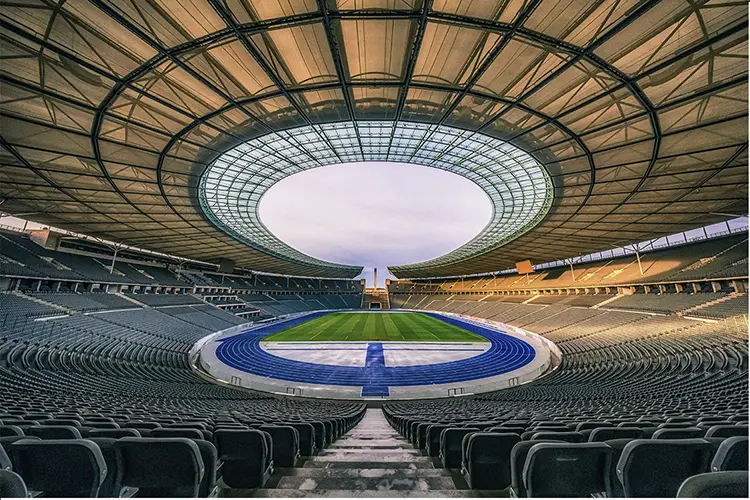
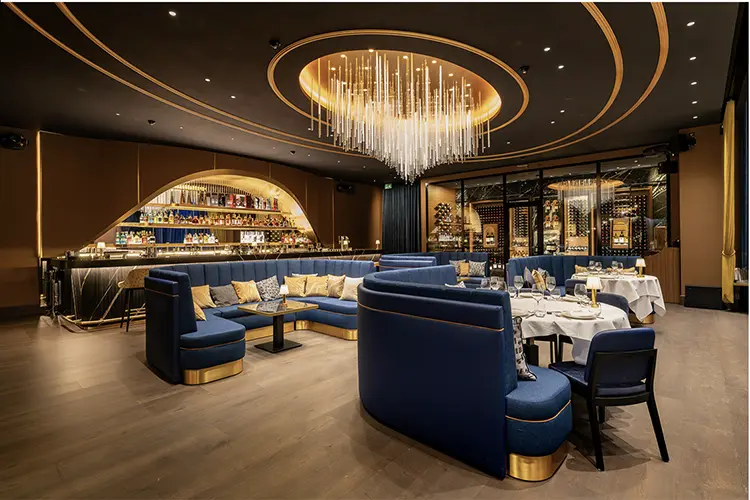
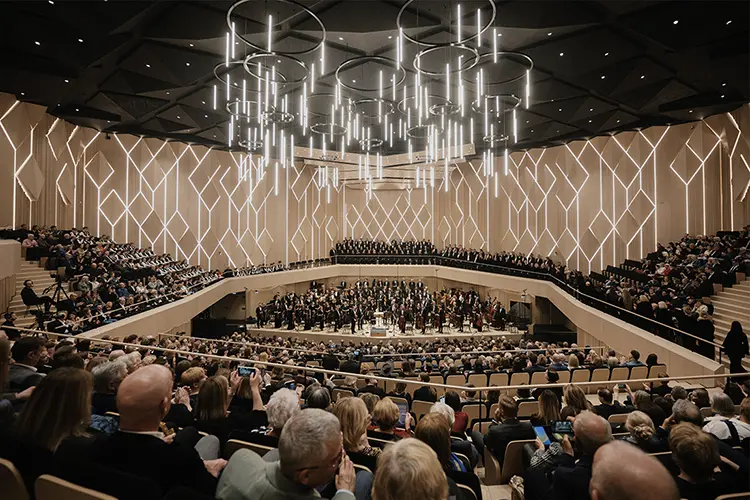
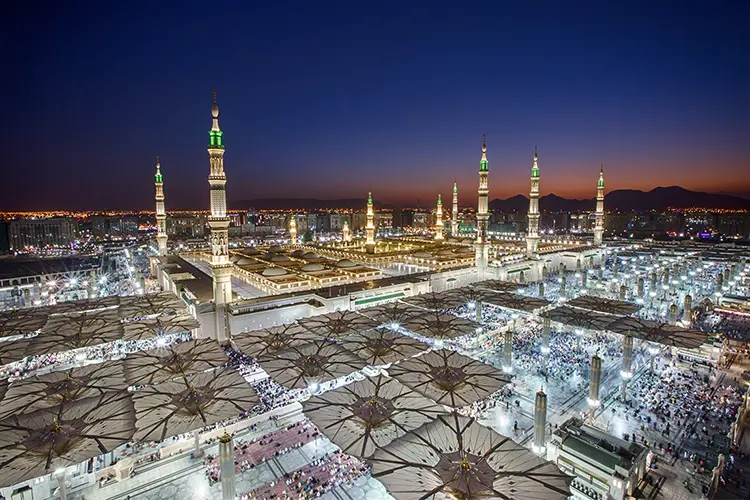
This consultancy-driven approach is reflected in projects such as The Ark Legacy Project in Ota, Ogun State, Nigeria: a 150,000-capacity worship venue where WSDG developed acoustic modelling, sound isolation strategies, and the design of large-scale video, lighting and electroacoustic systems. The result is an environment that supports speech intelligibility, musical performance and immersive congregational experiences at scale. Similar approaches — such as in projects at Olympiastadion Berlin, the Lithuanian State Symphony Orchestra, Billionaire St. Moritz and the Prophet’s Mosque in Medina, Saudi Arabia — underpin WSDG’s work in stadiums, arts and entertainment venues, hospitality, religious and residential spaces, corporate centres, broadcast facilities and high-performance media production studios, where precise sound control and resilient AV infrastructure are essential.
At this year’s edition of ISE, the firm highlighted how it helped bridge the gap between technology manufacturers and end users, translating rapidly evolving tools into practical, future-ready solutions tailored to each project.
ISE has always been a key meeting point for meaningful dialogue. The industry is moving away from standalone products and towards fully interoperable ecosystems. Our focus is to help clients navigate that complexity by bringing together acoustic, AV and media technology design from the earliest planning stages, explained Molho.
WSDG has a long-standing relationship with ISE, having participated as an exhibitor at the event’s first edition in 2004 in Geneva, and having attended every subsequent edition as the show moved to Brussels, Amsterdam and Barcelona. Returning as an exhibitor in 2026 marked a significant milestone for the firm.
Looking ahead, WSDG anticipates sustained growth in trends such as a “world where everyone is a broadcaster”, greater automation driven by artificial intelligence, deeper systems integration, and an increasing emphasis on immersive and multisensory experiences in areas such as entertainment, education and experiential spaces. The firm also anticipates new conversations around sustainability, personalization and the continued convergence of AV, broadcast and IT infrastructures.
Technology is becoming more powerful, but also more accessible. The challenge is to ensure that these systems remain intuitive, reliable and sustainable over time, and that is where careful, performance-driven consultancy and engineering become essential, concluded Noy.