The National Opera of Ukraine, officially known as the Taras Shevchenko National Academic Opera and Ballet Theatre of Ukraine, in the capital Kyiv, has invested in a new Avolites D9 lighting console, replacing the old Diamond 4, which had been in use since 2002.
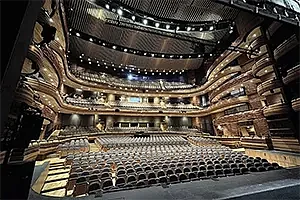
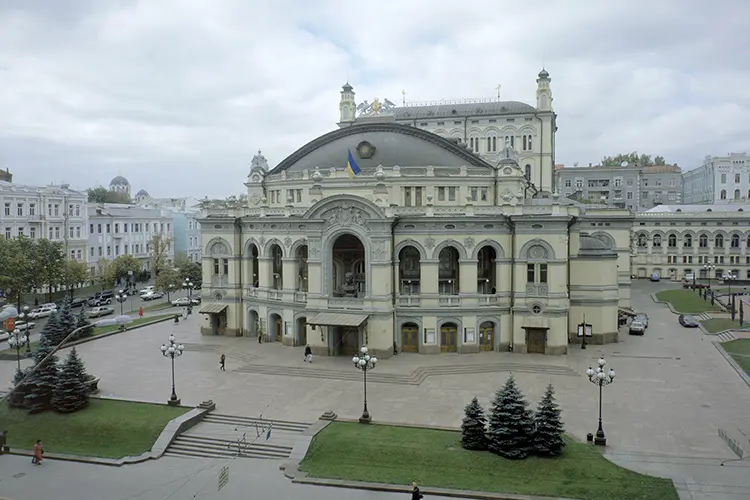
Famous for its elaborate architecture, rich stage history, and key role in Ukrainian culture and the arts, the current National Opera building was designed by architect Victor Schröter in the Neo-Renaissance style and inaugurated in 1901.
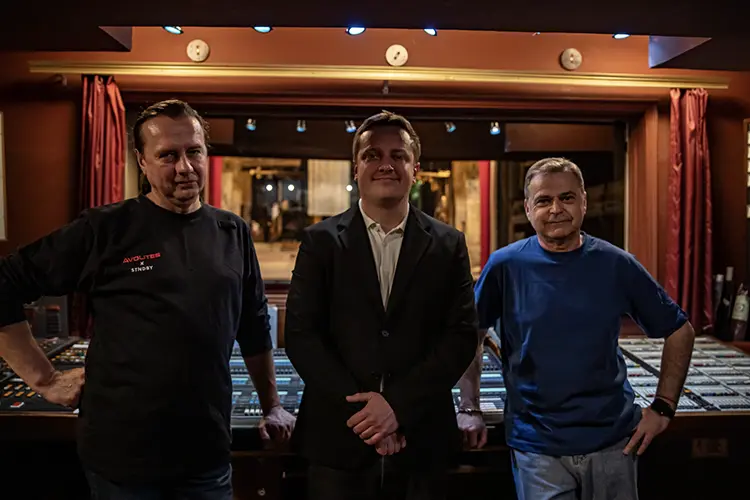
The new console was supplied by Avolites’ Ukrainian distributor, MegaShow, which had also delivered the D4 23 years ago. The acquisition was made possible thanks to funding from Japan and was officially presented to the Opera by the Japanese ambassador to Ukraine, Masashi Nakagome, at a press conference attended by Tetiana Berezhna, Minister of Culture and Strategic Communications of Ukraine; Vira Ulyanchenko, Chair of the Supervisory Board of the Big Family charitable foundation; and Petro Chupryna, General and Artistic Director of the National Opera of Ukraine. The funds were part of the Kusanone program, aimed at preserving Ukraine’s cultural heritage, of which the National Opera is one of the most prominent elements.
Despite Ukraine being at war since 2022, the Opera maintains a full performance schedule, and the lighting department is delighted with the arrival of the new console.
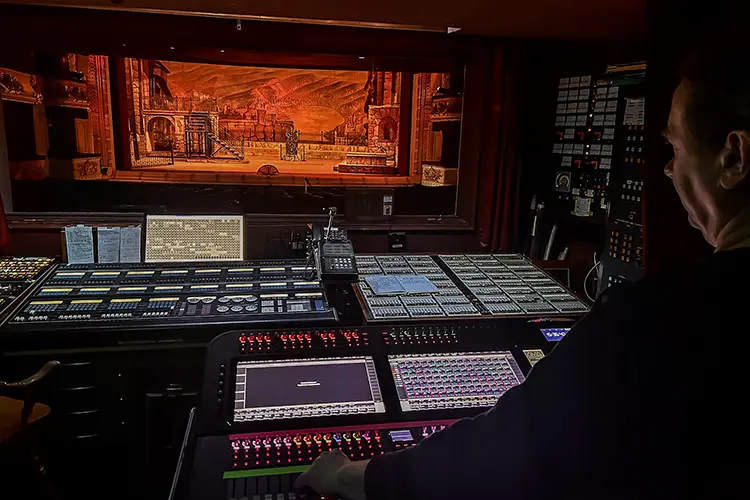
During the lifespan of the old D4, approximately 500 show files were created, many of which were transferred to the D9 during the summer, explained Oleksandr “Sasha” Mayakushko of MegaShow, who coordinated the delivery together with his brother Sergii.
The theatre’s lighting team includes 16 Robe Tarantula moving heads and around 400 conventional fixtures and rents additional special equipment for some productions. In addition, the purchase of eight T1 Profile fixtures has been confirmed.
In addition to the excellent performance that the D4 provided over the years — and the fact that lighting designers and operators are already familiar with Avolites’ architecture — the Opera was seeking a powerful, flexible console capable of integrated control of both lighting and video, and the D9 met all the requirements.
The venue has five large-format projectors, and many shows include video elements using rear-projection and backdrop screens on stage.
During the new season, an Avolites Q3 media server with Ai software will also be added, and the video and lighting systems will be integrated using Avolites’ Synergy software. The old ShowSafe backup system will also be replaced by an Avolites Quartz console.
 |
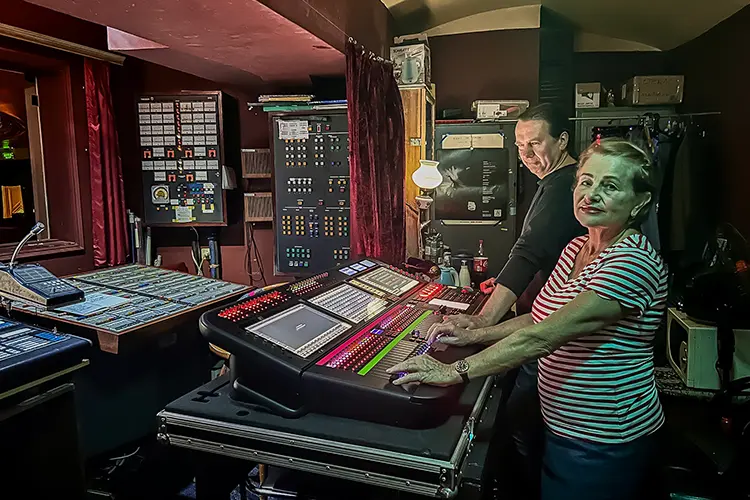 |
Ihor Samarets, one of the Opera’s lighting designers, is thrilled about the arrival of the D9. When he began working at the Opera in 1986, the theatre had just replaced its old Soviet console with a Hungarian-made Tungsram. The arrival of the D4 marked a major step forward, as the Tungsram was analog, and at that time all signals and transitions had to be done manually, with “programming” written by hand in a notebook.
When we switched to the Avolites console, computerization completely transformed the work; it became faster and more efficient. We were also able to start using moving lights, which was another huge step forward, says Ihor.
The pace of work is intense. Productions are created internally by the Opera, which presents around 30 shows per season, in addition to national and international tours. The venue resumed operations in May 2022, after the Battle of Kyiv, when the invading forces retreated.
The first show operated with the D9 was the premiere of the ballet La Fille mal gardée, handled by Sasha, an experienced lighting designer and passionate Avolites advocate.
Operating during wartime presents enormous challenges, which the team faces with creativity and practical solutions. Performances must start early so everyone can return home before curfew, and only as many tickets are sold as the number of people who can fit into the theatre’s air-raid shelter. In case of an air alert, the show is interrupted and the audience is evacuated to the shelter.
The Opera employs about 800 people across production and administration, with a lighting department of 25 full-time staff. As in many cultural institutions in the country, a shortage of technical personnel is a challenge, as many have been called to the army to defend Ukraine. For the same reason, there are also fewer artists, and budgets are extremely tight, forcing productions to be more resourceful in continuing to deliver high-quality performances.
Despite everything, ticket demand remains extremely high, as art and entertainment play an essential role in maintaining morale and offering an escape during these difficult times. The show must go on — now more than ever.