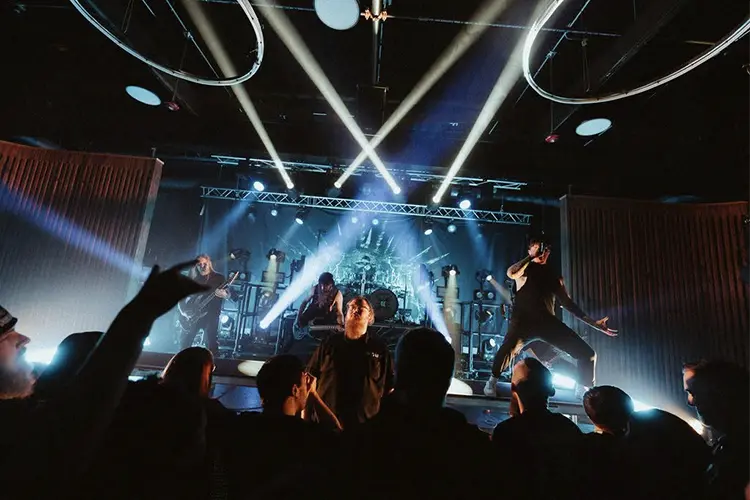
Switching from one show to another each night without losing visual consistency or identity requires speed, precision, and a flexible tool. Austin Zangi met that challenge during the North American tour with Bleed From Within and Sylosis using a ChamSys console.
Throughout the 27-date Zenith Tour, the Seattle-based lighting designer was responsible for running the shows for Bleed From Within and Sylosis, two bands that shared the same production but required distinct visual identities. In addition, he also served as the tour manager.
Both productions ran flawlessly night after night, while each band maintained its own distinctive visual style, perfectly matched to its music.
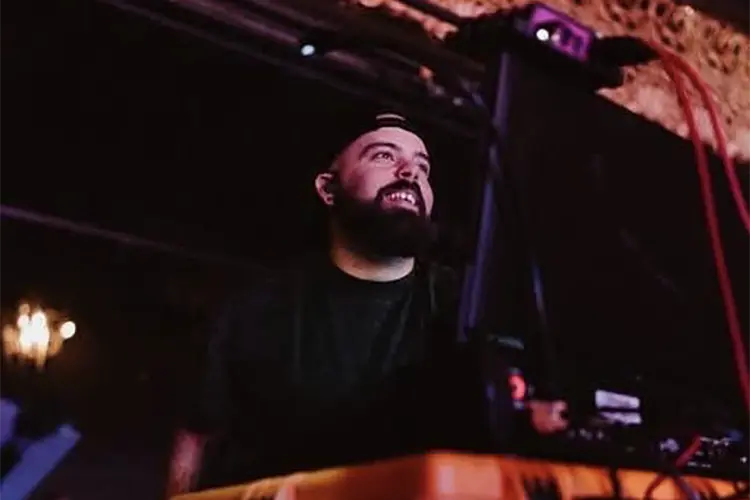
The most important thing for me was making sure each band had its own visual identity, even though they were sharing the same rig and production environment. I wanted anyone walking into the room to instantly know which band was on stage purely from the lighting, explains Zangi, who ran both shows using a ChamSys MagicQ MQ250M console alongside GeNetix GN10 nodes and a GeNetix GS8 switch.
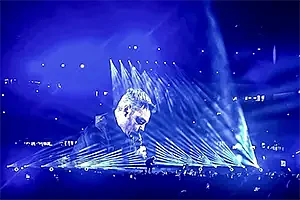
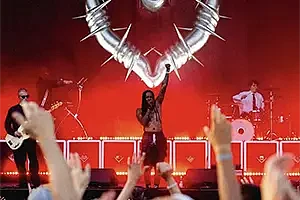
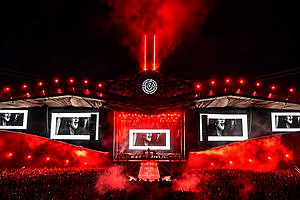
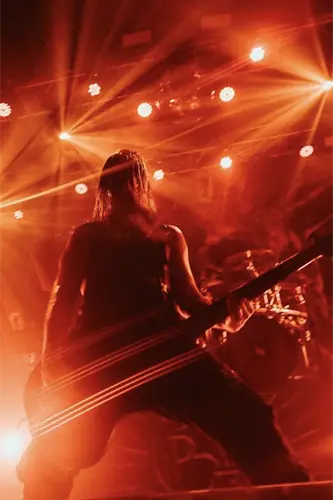
For Bleed From Within, Zangi opted for a more atmospheric aesthetic, with wider looks, striking silhouettes, and dynamic movement that supported "the emotional rise and fall of the set". By contrast, the lighting for Sylosis took on a darker, more aggressive character, with faster cue transitions and sharper movement.
Zangi credits the Timecode feature on his ChamSys console with helping him maintain consistency while switching from one show to the other.
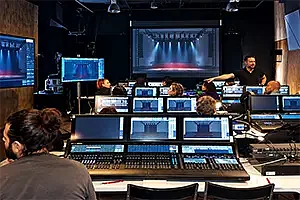
 "ChamSys made the timecoding process efficient thanks to the flexibility of the platform and how well it adapts to touring", he says. "One of the biggest advantages was being able to build and organize cue stacks quickly while keeping everything easy to edit and adjust during rehearsals and show days. The Timeline workflow also allowed me to program very precisely to musical moments while still making fast edits on the fly. Another feature I relied on heavily was Group Cues, which greatly sped up programming and adapting to each venue's lighting rig. Whether we were playing smaller clubs or larger theatres, it made it easy to adjust positions, timing, and fixture layouts without rebuilding entire sequences. That flexibility was a huge part of keeping both shows consistent".
Maintaining that consistency became even more challenging because of the wide variety of venues on the tour, which kicked off on April 2 at the Palladium in Worcester, Massachusetts, and concluded on May 7 at New York's Gramercy Theater, with stops at venues including The Regent Theater in Los Angeles and the House of Blues in Chicago. "I worked with Squeek Lights to create a compact rig that would work in most venues, although we still had to make adjustments along the way", says Zangi. "My ChamSys setup made a huge difference because it's intuitive and fast. Having a console that allows you to work quickly and confidently is incredibly important. The workflow played a major role in helping me balance the multiple responsibilities I had throughout the tour. The efficiency and reliability of the software meant I could spend less time behind the console and more time focusing on tour management".
Although the two shows Zangi operated with his ChamSys console had distinct personalities, they both shared the same artistic objective.
My goal for both shows was to create something that felt heavy and immersive without simply blasting the audience with light. I wanted the band members to stand out while maintaining a dark, aggressive aesthetic that suited each band in its own unique way.