An architecture based on ETC Apex, Ion Xe and ETCnomad distributes operating positions across different areas of the theatre and maintains a backup system ready to take control in the event of any incident.
Barcelona’s Gran Teatre del Liceu has structured its lighting infrastructure around a distributed control system designed to meet one of the main requirements of a venue with an almost continuous programme: maintaining operations even in the event of an incident while making it easier for technical teams and guest lighting professionals to work.
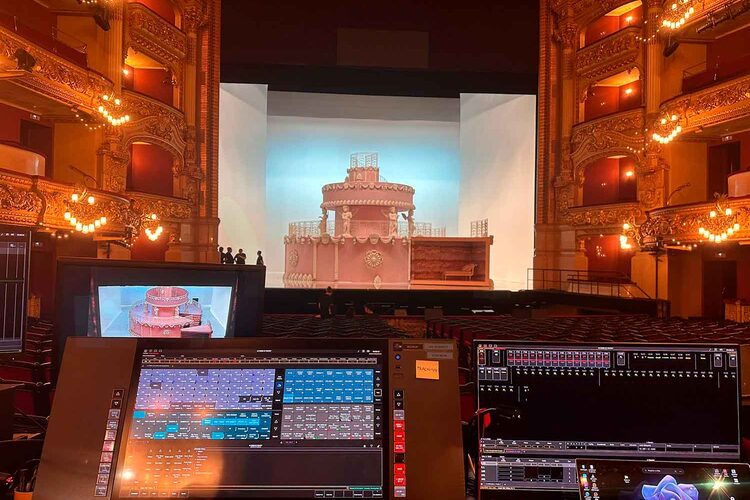
The main control booth operates with an ETC Apex 5, backed up by an ETC Ion Xe 20 ready to take over if the primary control position fails. This redundancy strategy prevents an issue with the main console from compromising rehearsals or performances.
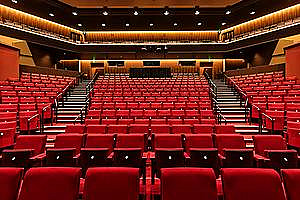
The system, however, is not limited to a single control position. During rehearsals and programming sessions, a second ETC Apex 5 is installed in the auditorium, allowing adjustments to be made with a direct view of the stage and improving coordination between programmers, lighting designers and the technical team.
 |
 |
Distributed control throughout the building
The architecture also extends to the stage and other areas of the Liceu. The Foyer Hall and Hall of Mirrors are equipped with ETC Ion Xe, ETCnomad and fader wings, allowing operating positions to be adapted to the requirements of each production.
This approach is particularly relevant in a theatre that regularly hosts external productions and visiting professionals. Ferran Pratdesaba, lighting technician at the Gran Teatre del Liceu, highlights the familiarity of the ETC environment among industry professionals:
“A large part of the success comes from the fact that many theatres already work with these consoles and lighting professionals know them very well.”
Standardising the control environment therefore reduces the time required for visiting teams to adapt to the venue’s infrastructure, an important factor when setup, rehearsal and programming schedules are tight.
Redundancy for a programme that never stops
Beyond the capabilities of the individual consoles, the project shows how redundancy and distributed control positions are becoming essential elements within major performance venues.
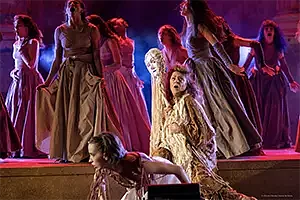
In a theatre with a high turnover of opera, dance and other large-scale productions, the architecture has to respond both to the programming schedule and to the different working methods of the professionals using the venue.
The result is an infrastructure in which the main console, backup system and distributed operating positions can adapt to the different stages of a production, from programming and rehearsals through to the performance itself.
Moving lighting for permanent use
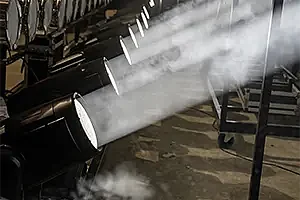
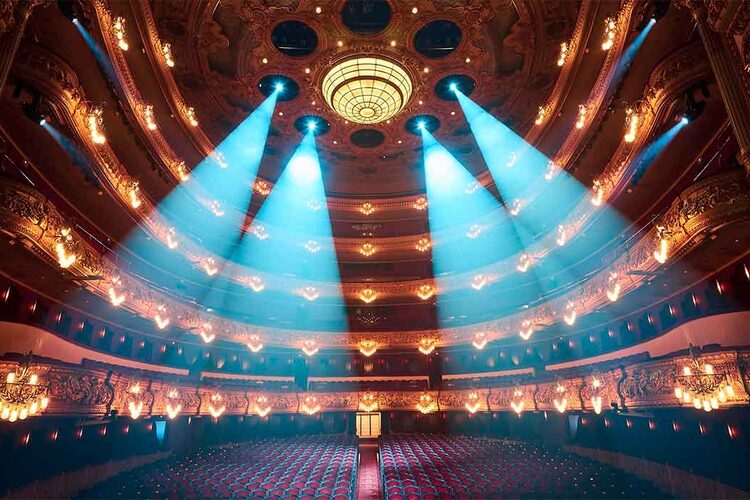
The lighting system is completed by ten moving fixtures installed in the theatre’s oculi, used mainly for front lighting, together with a further 27 units distributed between the stage and auditorium.
According to the Liceu’s technical team, these fixtures are used particularly intensively. Their positioning allows them to be incorporated into opera productions as well as many of the venue’s other activities, providing front-lighting and stage-support resources on an almost permanent basis.
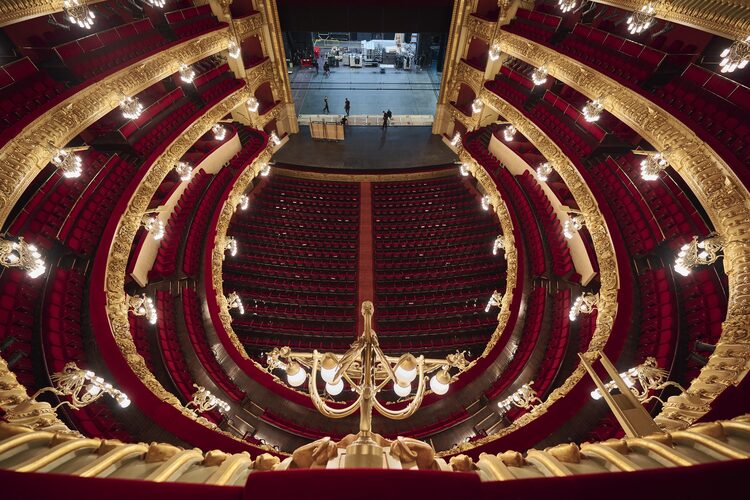
The combination of distributed control, redundancy and fixtures designed for intensive use reflects an increasingly common reality in major performance venues: technical infrastructure must not only deliver performance, but also be ready for continuous operation, adapt quickly to different productions and minimise single points of failure.
Stonex, Spain, participates in the project as equipment supplier and technical support provider for the installation.