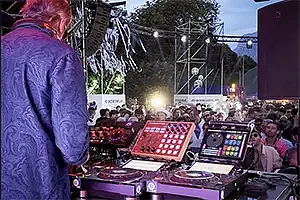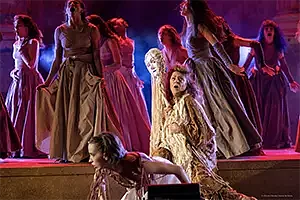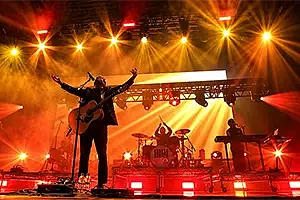
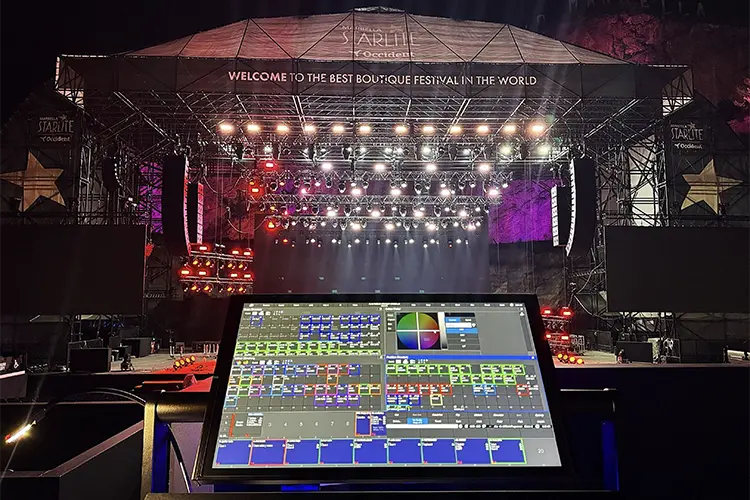
Lighting director and Hog programmer Oscar Gallardo used ETC's Tour Hog console to program and control the lighting for The Alan Parsons Project's summer concerts in Spain, adapting the show to very different venues, from the Roman Theatre of Mérida to Starlite in Marbella.
An experienced Hog user, Gallardo was brought onto the production by lighting designer Martin Thomas. Having worked extensively with Hog consoles throughout his career, he selected Tour Hog for the Spanish dates.
I'm an official Hog trainer, and with these consoles I can program faster and achieve better results in less time. Martin is also a Hog expert, so we agreed that I would program the show on Tour Hog, explains Gallardo.
One show, multiple lighting configurations
Each concert featured a different venue layout and fixture package, so Gallardo relied on Tour Hog's features to adapt the programming.
"We've been playing different festivals and venues, so we've had to adapt the show to significantly different spaces and equipment packages", he says. "With so many universes available, along with cloning capabilities and change-type functionality, adapting a show is much easier. If the fixtures I need are already in the console's library, I can make the changes quickly and be ready to go".
Mérida and Starlite: two venues with different requirements
Several of the venues presented their own technical challenges. At the Roman Theatre of Mérida, Gallardo had to balance the lighting design with the scale and heritage significance of the historic site. In addition, outdoor working conditions, with daytime temperatures exceeding 40°C, meant that much of the programming and technical preparation had to take place overnight.
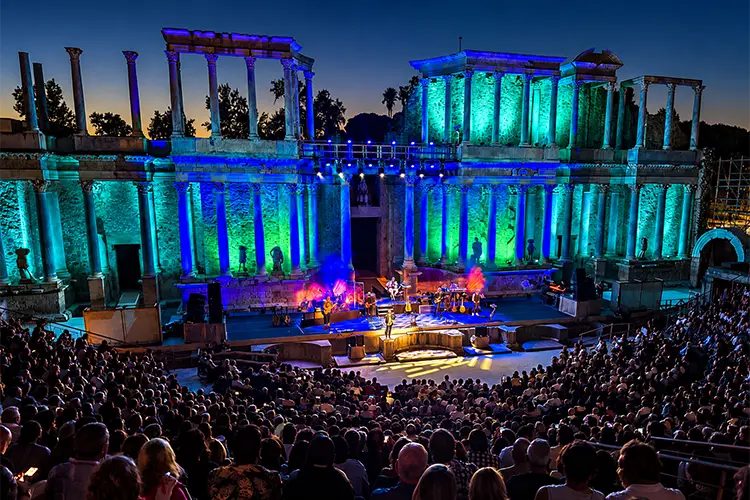
Performing at the Roman Theatre of Mérida is very challenging because of its status as a historical monument. Whatever you do, you can't ignore the monument's grandeur, he explains.
At Starlite in Marbella, the tight turnaround left limited time for programming directly on stage, so Gallardo completed part of the work away from the stage using visualisation tools. "I ended up having to adjust positions and finish the programming with the visualiser in the dressing room", he recalls.
Learning the show in real time
The ability to adapt proved particularly valuable as Gallardo familiarised himself with a new production and responded to changing technical requirements at different venues throughout the tour. "I was still getting to know how Alan Parsons works, so I had to learn the show almost in real time", explains Gallardo. "Luckily, I'm an improvisation specialist".
Gallardo also worked with Parsons on creative aspects of the production, including musical introductions and solos. "He has very clear ideas", says Gallardo. "He's a great artist".
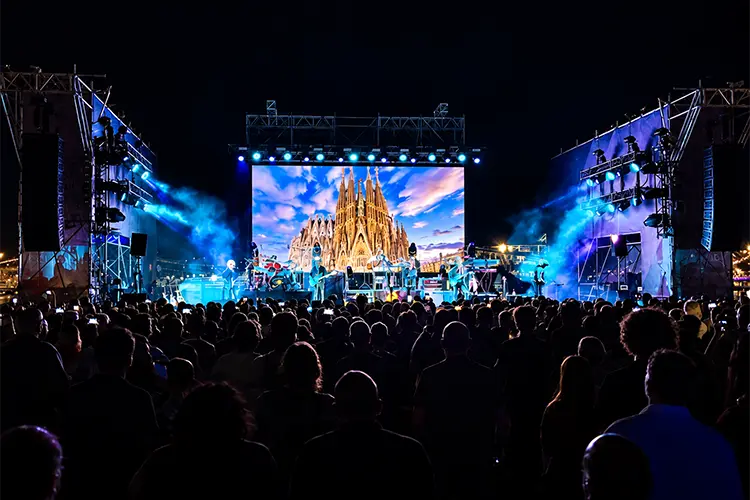
After the Barcelona performance, Parsons thanked Gallardo for his contribution to the show. "It was great to receive that recognition", he says. "I hope we'll have the opportunity to work together again soon".
Image credits: © Tabitha Parsons Photography
 Instagram
 Facebook
 LinkedIn
 YouTube
 TikTok