


In the trussing and rigging industry, product labeling and tracking is not just a formality but a key requirement to ensure safety, compatibility, and quality.
In the European Union, compliance with labeling regulations is essential as it enables strict control over the manufacturing and use of structures for events, shows, and other professional environments. Labels on structural products must meet specific standards regarding size and content. Additionally, they may include various certifications and markings that provide crucial information about the type, quality, and origin of the product.
In the case of trusses manufactured by TAF, three main types of labels are used. Each serves a specific function, facilitating product identification and providing essential references for both installers and inventory managers. To better understand this labeling system, it is useful to review the manufacturing process and quality control measures applied.
Truss manufacturing involves a series of technological processes, the use of specific materials, and highly specialized equipment. To facilitate the tracking of each piece, the production flow follows a systematic structure, beginning with the reception of raw materials: aluminum tubes in various diameters and lengths.
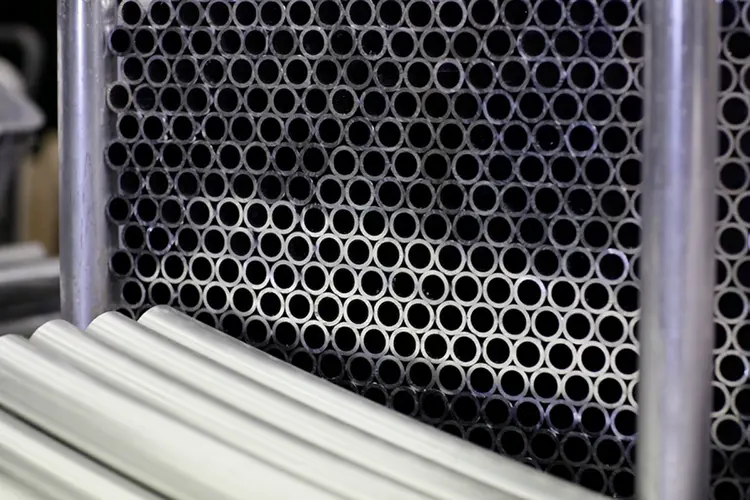
The aluminum tubes arrive at the plant in packages organized by size and strength. From this point, each package carries a supplier label detailing the type of material, manufacturing process, and production date. This data is incorporated into TAF's inventory system, assigning each batch a new internal label that allows tracking within the factory.
For the manufacturing of each truss segment, a detailed work order is essential, generated by an online monitoring software. This work order follows the piece from the first cut to final assembly, recording each step’s progress in the system. This not only ensures precise tracking of the process but also allows technicians to verify that each unit meets exact specifications before proceeding to the next step.
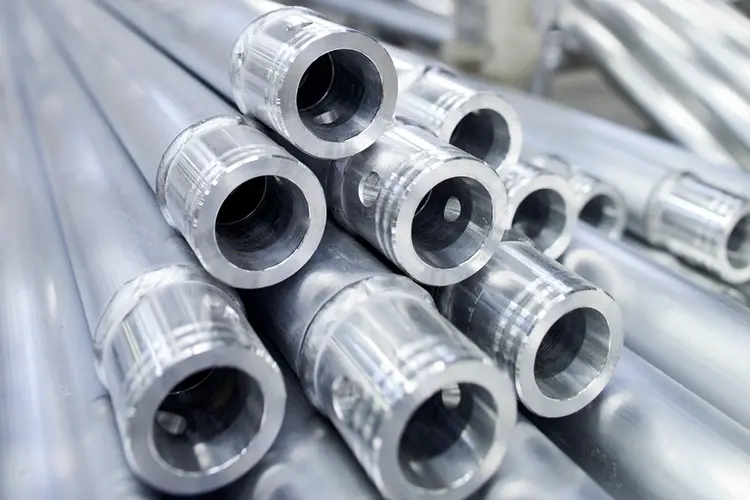
The first step in the assembly process involves cutting the tube to the required length. Next, the terminal connectors are welded, and the assembly is transferred to the welding station, where skilled technicians or automated robots complete the truss structure. This entire process is recorded in the production monitoring system.
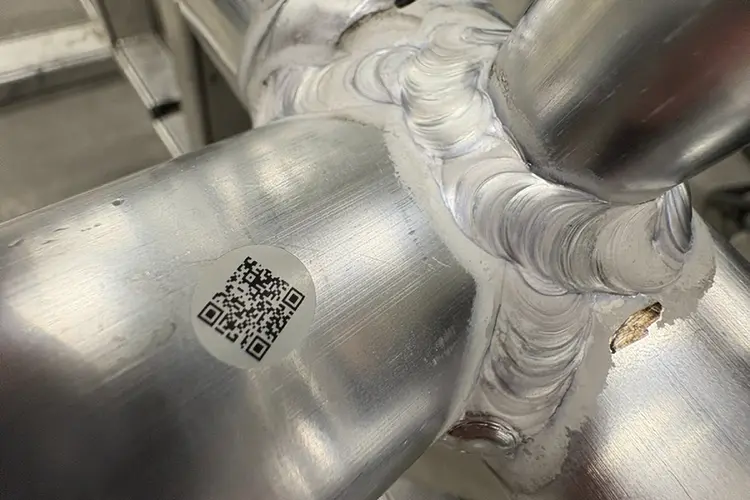
Once welding is completed, the first tracking label is generated and attached to the structure. This label includes a QR code that acts as the responsible welder's "signature." When scanned, it provides information such as the production date, the worker’s personal code, and the manufacturing plan number. This system allows any customer, technician, or company to verify the truss’s history with a simple scan.
 |
 |
Once welding is complete, the truss must pass through three additional quality checks before leaving the factory: dimensional verification, quality inspection, and final packaging. Since the welding process involves high temperatures, the material may undergo slight deformations during cooling. To ensure that each piece maintains exact dimensions, it is subjected to measurement control using specialized tools. After this, it is cleaned and undergoes a final inspection before packaging.
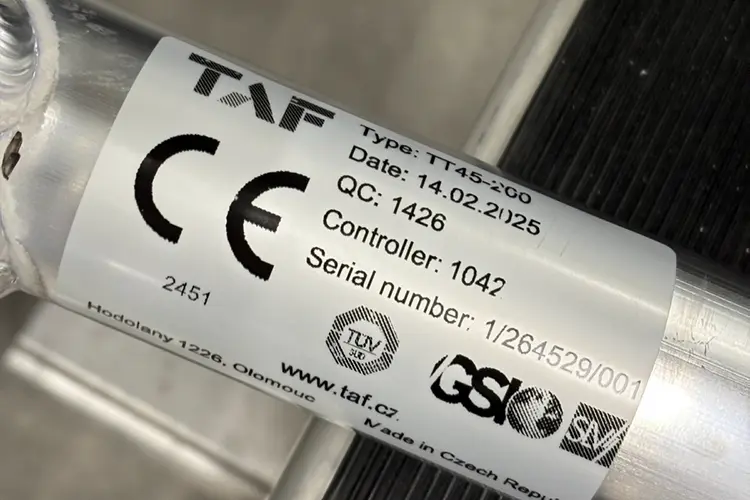
At this stage, a second label is added, printed with thermal printing technology, which includes essential information for installers and technicians. This type of printing is more durable than other methods, although the label is still subject to wear over time. Its format complies with European standards and contains the following information:
- Company logo – TAF
- Type – production code, category, and version
- Date – production completion date
- QC – Quality Control Manager’s number
- Controller – Technician’s control number
- Serial number – manufacturing batch identification
- CE marking – with the corresponding certification number
- TÜV SÜD logo – independent testing certification
- GSI SLV logo – compliance with welding standards
- TAF website
- Company address
- Product origin – place of manufacture
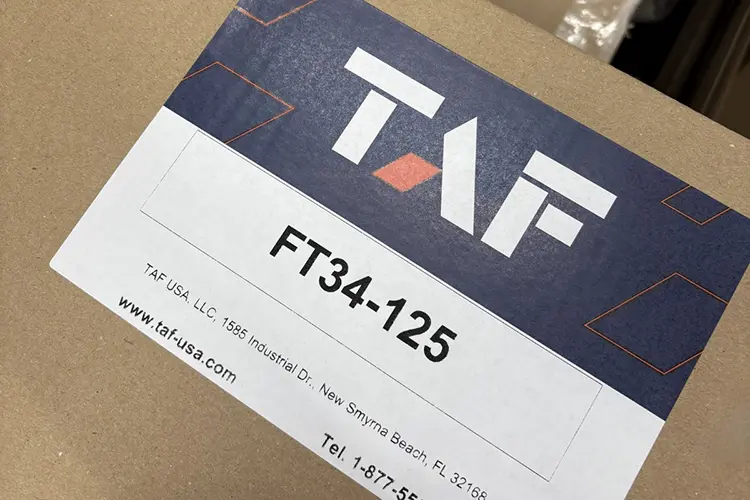
Finally, the truss undergoes the packaging process. For transportation, recyclable multi-layer cardboard boxes are used, chosen for their resistance, lightness, and sustainability. Each package receives an external label containing the product’s essential information once again, facilitating its identification in warehouses and shipments.
The labeling system in trussing is not merely a bureaucratic formality but an essential tool for traceability, quality control, and safety in the entertainment industry. Thanks to these standards, installers can work with greater confidence, ensuring that each structure meets the sector's technical and regulatory requirements.