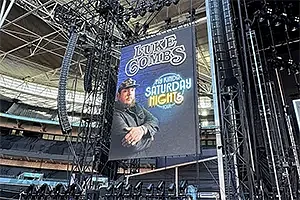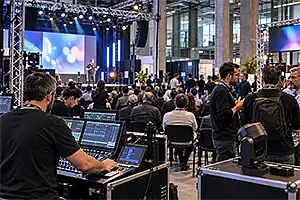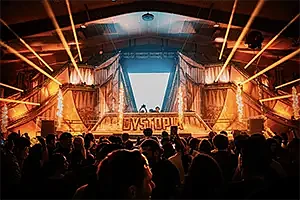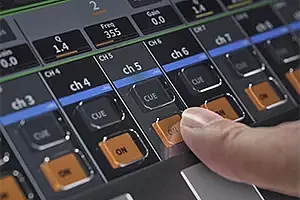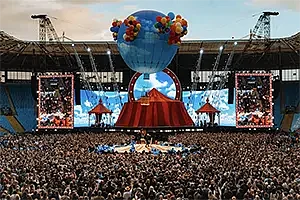

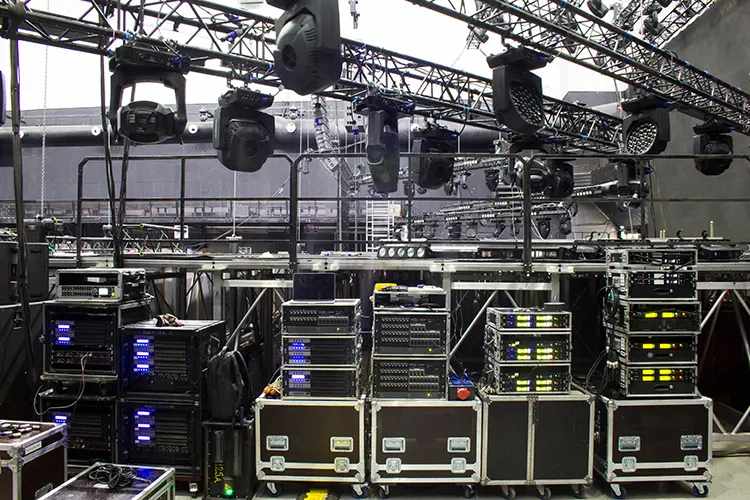
Large-scale professional audio is one of the most demanding areas in the audiovisual sector. Whether for massive events, concerts, high-profile conferences, or permanent installations in stadiums and large auditoriums, audio systems must be robust, reliable, and capable of delivering an impeccable sound experience.
This guide is designed for rental company professionals and installers working with large audio setups, offering a practical and technical approach on how to optimize operations, from design to implementation.
Audio system planning and design: scalability and redundancy
Designing a large-scale audio system should focus on scalability and redundancy. A massive event or permanent installation cannot afford technical failures, so it’s essential to plan ahead and ensure the system is prepared for any contingencies.
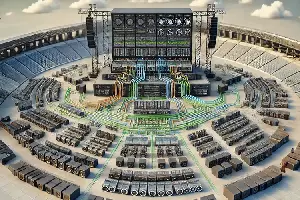
- Audio mapping and coverage: First, it’s necessary to design the speaker system considering sound coverage and uniformity. In large spaces, such as stadiums or arenas, speaker configurations in clusters or line arrays allow sound to be distributed evenly, minimizing sound pressure loss over long distances.
- Use of acoustic prediction software: Tools like EASE or Soundvision allow for simulating sound propagation in a space before the physical installation, ensuring that the designed system will meet coverage and sound quality expectations across all areas of the venue.
- Critical system redundancy: Creating setups with redundancy in audio processors, amplifiers, and power supplies is crucial. Implementing hot-swappable backup systems and redundant circuits ensures that, in case of failure, the system continues to operate without noticeable interruptions.
Audio over networks: Dante and AVB in large events
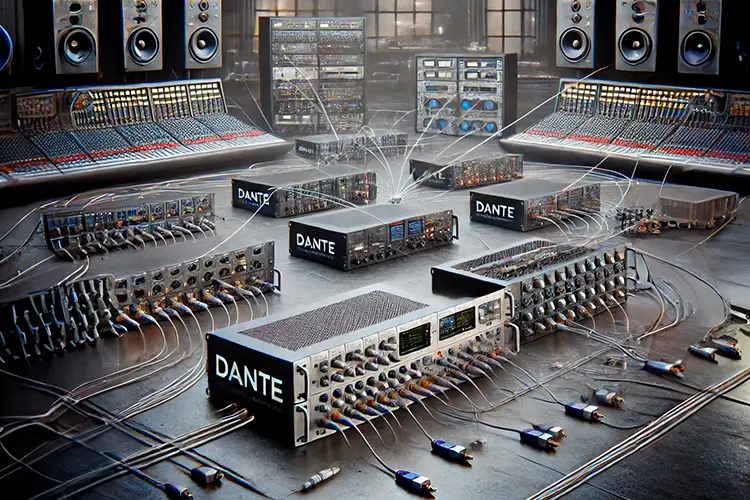
The use of audio over IP has transformed the way large-scale audio systems are configured and operated. Protocols like Dante and AVB (Audio Video Bridging) enable high-quality multichannel audio transmission over Ethernet networks, simplifying installations and offering greater flexibility.
- Dante: This protocol is currently the industry standard in professional audio, allowing the transmission of hundreds of audio channels with ultra-low latency over standard Ethernet cabling. For rental professionals, this means fewer cables, faster setups, and easier management of large audio systems.
- Redundant networks with Dante: Implementing Dante networks with redundancy (Dante Primary and Dante Secondary) is a recommended practice in large events, ensuring that audio continues to flow uninterrupted if a network or device fails.
- AVB: Although less common than Dante, AVB offers advantages in permanent installations, such as precise signal synchronization and automatic prioritization of audio traffic on standard Ethernet networks, without the need for special switches.
Optimizing rental processes: efficiency and setup speed
For rental companies, logistical efficiency and setup time are critical aspects that can make a difference in project profitability. Here are some tips to optimize the process:
- Standardizing configurations: Having pre-established standard configurations for different types of events can significantly speed up the preparation and setup process. This includes pre-configured amplifier racks, pre-designed connection panels, and digitized inventory lists that allow for quick identification and preparation of the necessary equipment.
- Fiber optic cables and low-latency networks: Using fiber optic cables for long distances not only reduces the number of cables required but also improves latency and signal quality in distributed systems. Large audio systems benefit from having a fiber optic backbone connecting key points of the system.
- Remote monitoring and equipment management: The use of real-time monitoring software, such as L-Acoustics' LA Network Manager or d&b audiotechnik's ArrayCalc, allows audio technicians to supervise and adjust sound systems during the event, continuously optimizing the setup based on the venue’s acoustic conditions.
Automation and remote control
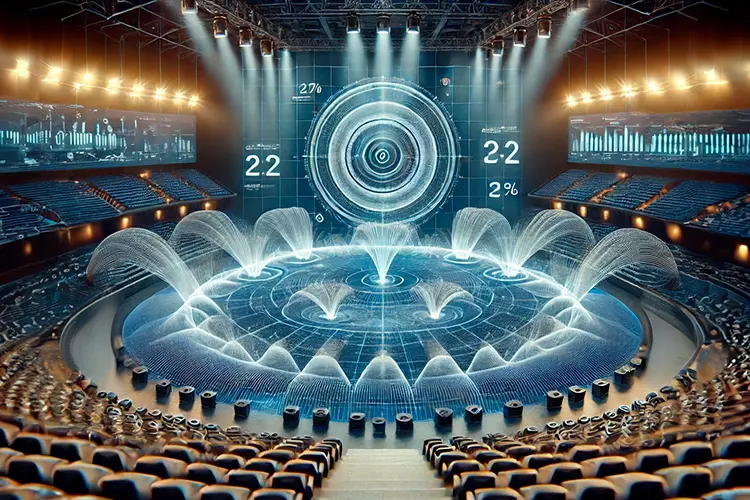
Remote control and automation of systems are key in large and complex events. They allow technicians to manage the audio system centrally, adjusting levels, monitoring devices, and responding quickly to any issues that may arise.
- Amplifier and DSP control: Using platforms like Q-SYS or Symetrix for centralized control of signal processors and amplifiers allows critical parameters to be adjusted from a remote location, optimizing sound without the need to physically access equipment distributed throughout the venue.
- Stage automation: In large events with multiple stages, certain aspects of the system, such as scene changes or microphone configuration adjustments, can be automated. This not only saves time but also reduces the risk of human error.
Noise management and regulatory compliance
In large installations or outdoor events, managing sound pressure levels (SPL) is crucial both to comply with local noise regulations and to ensure a comfortable audio experience for attendees.
- Real-time SPL monitoring: Implementing continuous sound pressure level monitoring systems, such as SPLnet or NTI XL2, allows audio engineers to verify that sound levels do not exceed permitted limits in sensitive areas or throughout an event. In many cases, this is a legal requirement to avoid fines or issues with local authorities.
- Audio zoning: By dividing a large venue into zones, different sound pressure levels can be applied based on the audience's proximity to the stage, ensuring compliance with regulatory limits in peripheral areas without compromising sound quality in main areas.
Conclusion
The integration and operation of large-scale audio systems require a meticulous approach and a deep understanding of modern technologies. For rental professionals and installers, success depends on efficient planning, using cutting-edge technologies like Dante and AVB, and the ability to manage large events or installations with technical precision and operational flexibility. By following these strategies, not only can setup time be optimized and customer experience improved, but high-performance, reliable audio systems can also be delivered, regardless of the project's scale.