
In a live production, detecting an audio issue is only the first step. When working with a large number of microphones and signals, the real challenge is identifying what happened, locating the affected channel and having enough information to act quickly.
WAVETOOL 4 approaches monitoring from this perspective, bringing together different tools that allow the technical team to track an issue from detection through analysis, without losing sight of the rest of the system.
Detecting what is happening across dozens of signals
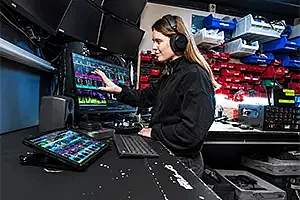
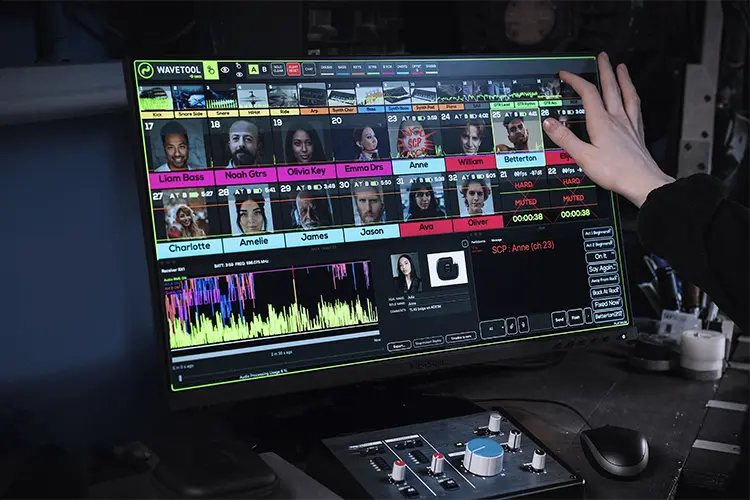
In theatre, broadcast or live sound productions, the number of sources that need to remain under supervision can be high. WAVETOOL 4 allows users to monitor up to 192 audio channels from a single platform.
Beyond increasing capacity compared with previous versions, having all signals within a single environment makes it easier to maintain an overview of the production and focus attention on the channels that require closer inspection.
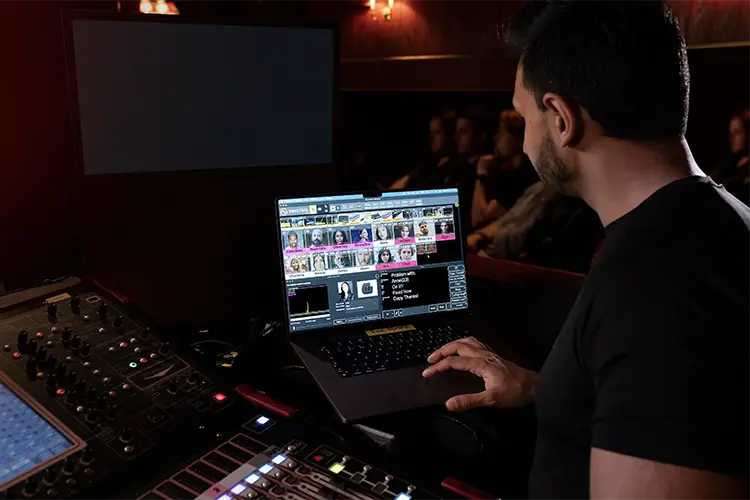
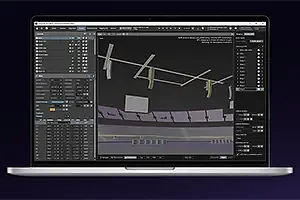
The scalable and customisable interface also allows users to enlarge, resize and prioritise channels according to the needs of each project, enabling technicians to organise their workspace around the signals that require closer monitoring.
Going back to understand the source of the problem
An issue is not always detected at the exact moment it begins. An unexpected noise, interruption or abnormal behaviour may only become apparent after the problem has already occurred.
This is where Global Instant Replay comes into play, allowing users to review up to 30 minutes of system history. Technicians can go back and check what was happening before and during the issue, providing greater context for analysis. Instead of relying solely on what is happening at that moment, they can review the previous behaviour of the signals and identify more precisely when the problem first appeared.
Distinguishing an issue from normal behaviour
Not every change in a signal during a live production necessarily indicates a fault. Music, applause, ambient noise and other sounds inherent to a production can create situations that do not require technician intervention.
To help distinguish between these scenarios, WAVETOOL 4 incorporates Intelligent SCP Alerts, a feature designed to identify potential microphone-related issues while filtering out expected behaviour.
The aim is to reduce false alarms and prevent the team from having to devote attention to alerts that do not correspond to a genuine issue.
Listening to the signal, not just monitoring it visually
Monitoring is not limited to interpreting meters and alerts. WAVETOOL allows users to listen directly to audio channels, combining the system's visual information with audible verification of the signals.
This capability provides an additional reference during diagnosis: when abnormal behaviour occurs, the technician can review the available information and listen to the channel to gather more information before making a decision.
Sharing the issue with the rest of the team
In a large-scale production, the person who detects the problem is not always the person who needs to physically resolve it. Professionals may be distributed across FOH, backstage, control rooms or other areas.
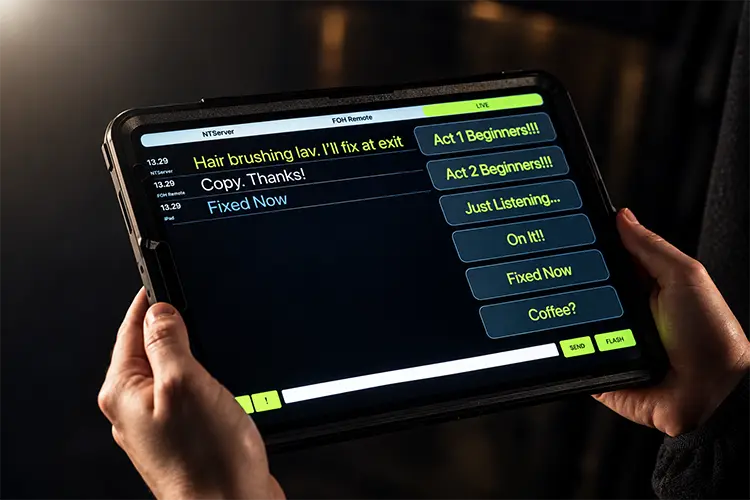
WAVETOOL 4 supports up to eight simultaneous clients and integrates communication tools including chat, image sharing, reactions and voice messages.
This allows information related to an issue to be shared within the same environment used to monitor the audio, facilitating coordination between different members of the team.
From monitoring to diagnosis
The value of a monitoring platform does not depend solely on how many signals it can display at the same time. In a live environment, it is also essential to have enough information to understand what has happened and communicate it quickly to the people who need to take action.
By combining monitoring of up to 192 channels, Global Instant Replay, Intelligent SCP Alerts, direct listening and collaboration tools, WAVETOOL 4 brings together different stages of the diagnostic process within a single workflow. Monitoring therefore goes beyond simply detecting that something is happening, providing the technical team with greater context to locate, analyse and communicate an issue during the production.
 Instagram
 Facebook
 LinkedIn
 X
X YouTube