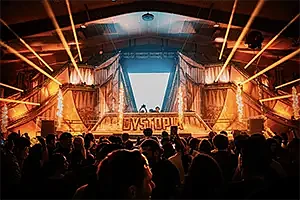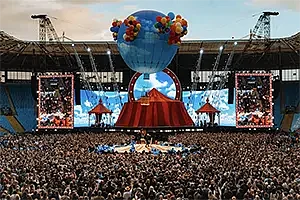



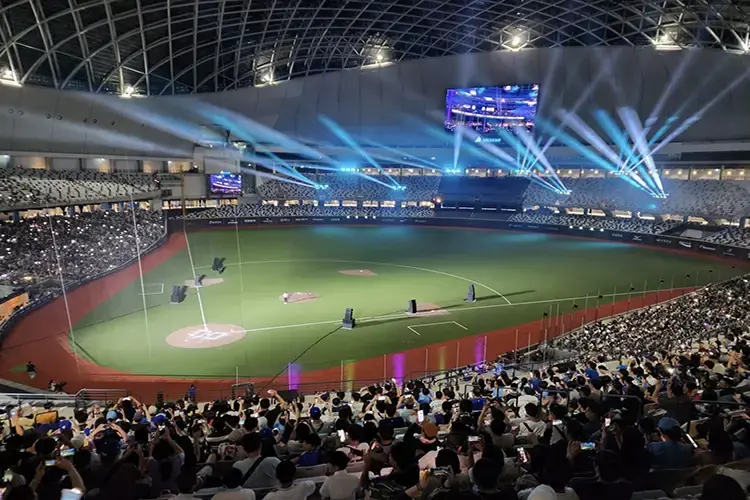
The Taipei Dome, located in the Taiwanese capital, is an indoor stadium designed to host both baseball games and entertainment events in a mixed-use environment. This venue, inaugurated in December 2023, has a seating capacity of 40,000 for baseball games, which can be expanded to 58,000 for concerts.
Throughout the 2024 season, the Dome will host numerous games of the Chinese Professional Baseball League, highlighting its importance as a sports and cultural space.
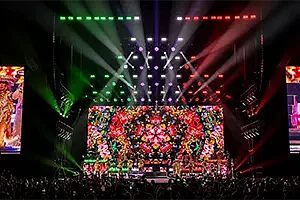
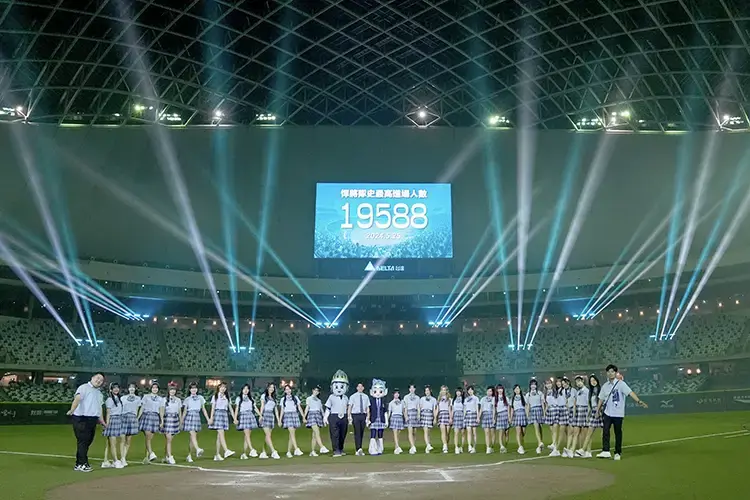
A recent event at the Taipei Dome perfectly illustrates the versatility of this facility. After a baseball game by the Fubons Guardians team, a themed concert was held featuring popular artists Zeng Peici and Zhou Tanghao.
 |
 |
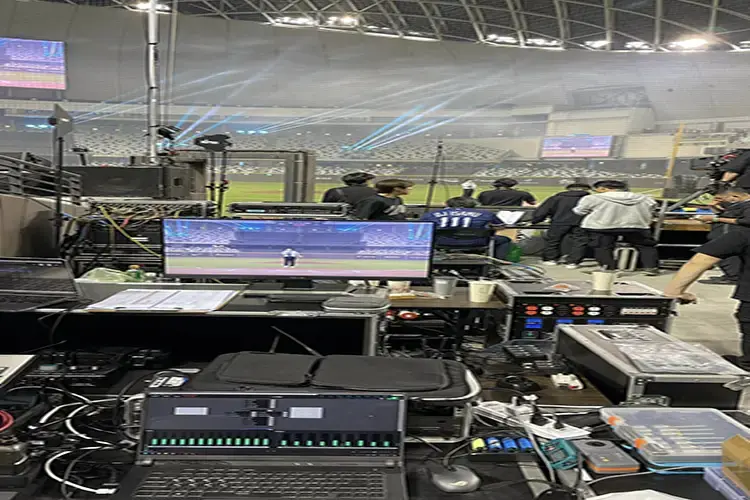
This event posed a significant logistical challenge for the production team, especially concerning the installation of the sound system in a high-pressure environment under strict safety protocols.
Challenges in the installation of the sound system
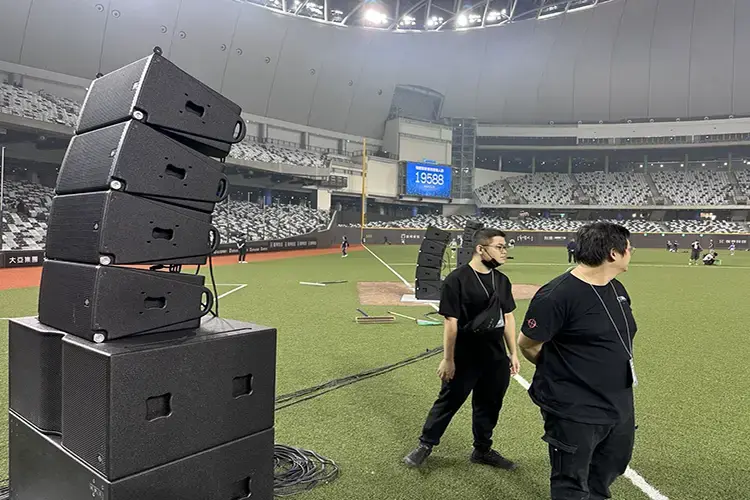
Due to the Dome’s safety regulations, no equipment was allowed on the field during the game, nor was it permitted to use carts or dollies to transport the equipment during installation. This meant that the production team only had fifteen minutes to manually move all sound system components from storage areas to their exact positions on the field.
To overcome this challenge, an ultra-lightweight and compact sound system was chosen to facilitate quick and efficient installation. The system selection was guided not only by the need to meet time constraints but also by the requirement to maintain high sound quality that would satisfy both the artists and the audience.
 |
 |
Sound system configuration
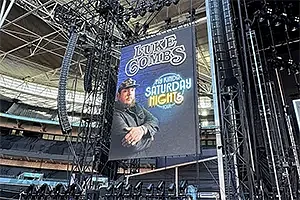
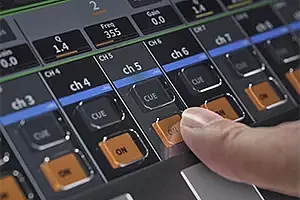
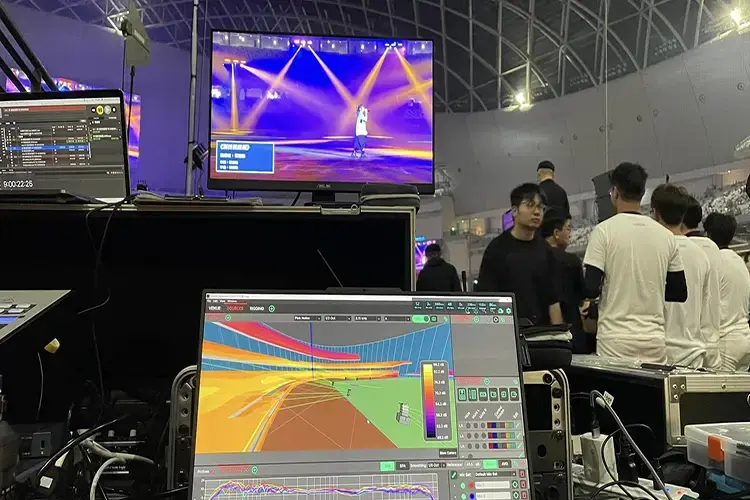
The system installed at the Taipei Dome consisted of four speaker stacks, each with four compact units, complemented by subwoofers controlled by sensors. In addition, high-precision amplifiers were used to ensure optimal sound coverage throughout the venue. The system design was crafted by an audio specialist with extensive experience in sound configuration for large-scale events. Using specialized optimization software, the exact location of each speaker was determined to ensure uniform, high-quality sound distribution.
 |
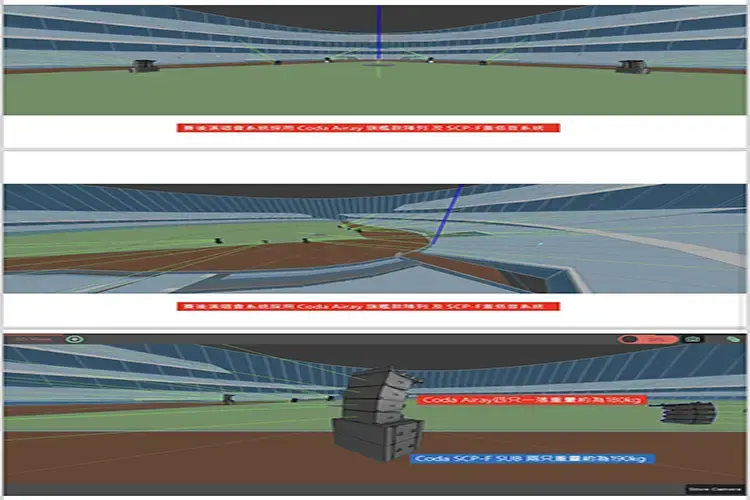 |
Results and conclusions
The installation of the sound system at the Taipei Dome was a resounding success, despite time constraints and strict regulations. The combination of a compact, easy-to-handle, high-quality sound system, along with precise planning, allowed the team to overcome logistical challenges and deliver a first-class sound experience for all attendees.
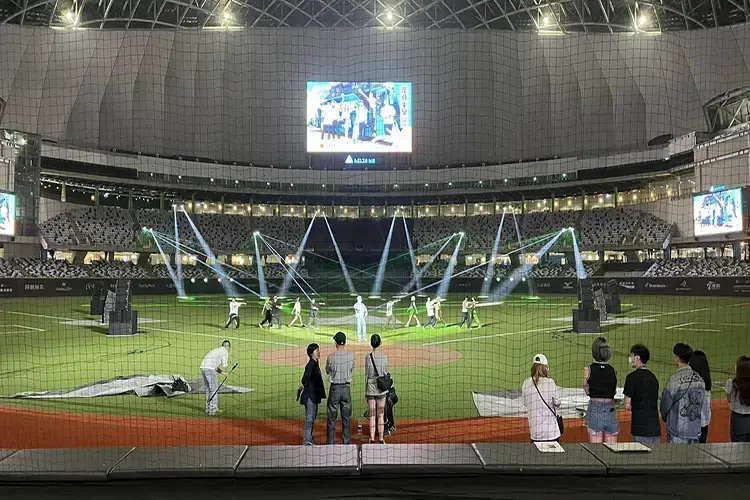
This case study highlights the importance of selecting the right equipment for each situation, adapting to the particularities of the event and venue. It also emphasizes the usefulness of sound simulation tools in the planning and execution of complex events. The experience at the Taipei Dome sets a standard for future events of a similar nature in this and other multifunctional venues.