Broadcast audio engineer Matt Manix explains how the DCA901 microphone array reduces the amount of equipment required, enables software-based coverage adjustments, and captures audience reactions at concerts, festivals, and televised productions.
The DCA901 offers an alternative to traditional crowd microphone setups used at large-scale events and broadcasts. Thanks to its steerable pickup technology, it can cover different audience sections with fewer devices, simplifying installation and making adjustments easier during a show.
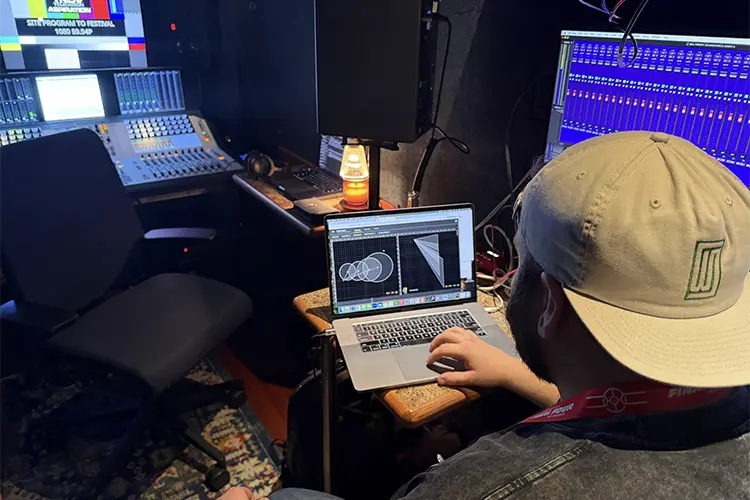
Broadcast mixer Matt Manix, owner of Method Audio, has used this technology on large-scale productions, including the 2026 March Madness Music Festival, where his team deployed DCA901 arrays to capture audience reactions while he mixed the performances from the broadcast truck.
According to Manix, a conventional setup can require between 24 and 30 crowd microphones and several technicians to install them. With the DCA901, one person can deploy two or three arrays to cover an equivalent area, reducing setup times and staffing requirements.
Steerable coverage to adapt to every show
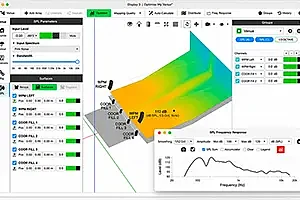
One of the DCA901's key features is the ability to adjust pickup zones through software without physically repositioning the microphones.
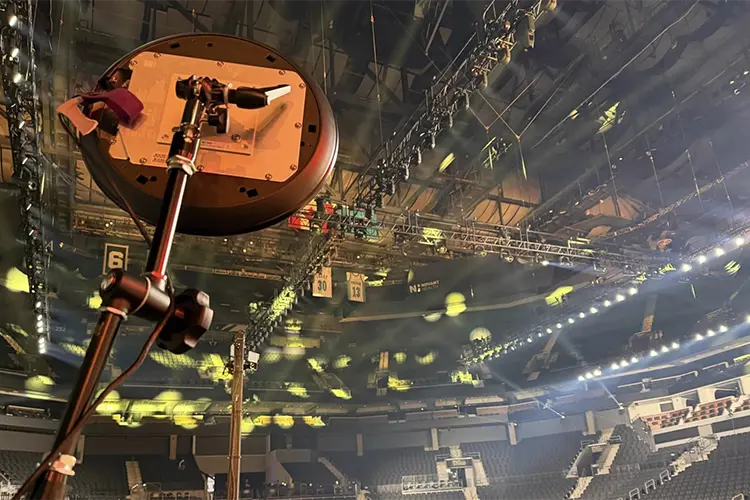
Manix typically positions the arrays on either side of the stage, outside the main coverage area of the PA system and away from camera shots. From these positions, he can steer the pickup lobes towards different audience sections.
With the DCA901, I can choose a single location and steer the pickup in multiple directions, he explains.
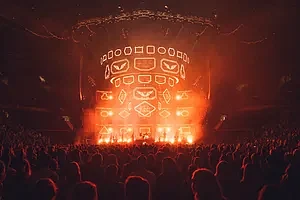
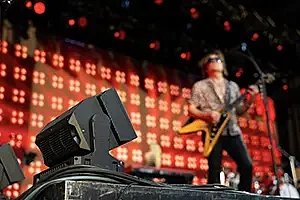
At concerts, the engineer often directs several lobes towards the front rows, where the most enthusiastic fans tend to gather. In larger venues, such as stadiums and arenas, he can extend coverage to the lower seating levels and other sections farther from the stage.
This flexibility is useful at festivals, where the audience distribution changes throughout the day. As attendance grows, engineers can adjust the pickup zones directly through the software.
The technology also makes it possible to cover areas that conventional microphones cannot easily reach because of subwoofers, front-fill systems, lighting structures, or scenic elements.
According to Manix, certain adjustments that previously could have taken up to an hour to reposition numerous microphones can now be completed in seconds or minutes.
Sound quality and greater production efficiency
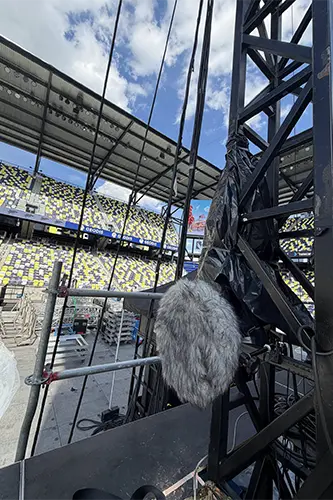 Beyond the operational advantages, Manix highlights the system's sound quality as a decisive factor in its use for professional broadcasts. "They sound great. That's why I'd choose them first. If they didn't sound good, we wouldn't use them, no matter how impressive the technology was", he says.
The engineer says the DCA901 allows him to achieve results comparable to traditional multi-microphone setups, but with a simpler workflow. "The sound quality seems to be about the same, but it's just much easier to achieve", he notes.
The reduction in the number of devices also has financial implications. According to Manix, replacing a setup of 24 to 30 microphones with two or three DCA901 arrays can save thousands of dollars in labor costs over a 16-hour production day.
Nevertheless, the engineer continues to use conventional microphones as a supplement when the event requires them, particularly to capture specific areas close to the audience or keep equipment out of camera shots.
Applications in concerts, festivals, and surround sound
Manix has used the DCA901 in theatres, arenas, and outdoor productions, ranging from venues with approximately 3,000 seats to festivals attended by tens of thousands of people.
For surround-sound productions, he has also positioned arrays near the FOH mixing position or in mid-venue areas, steering pickup towards the rear audience sections to help build the sound field.
The goal is to convey the energy and scale of the live event to viewers.
Our job as broadcast mixers is to bring the live event experience into viewers' homes, Manix explains.
A tool to optimise engineers' workflows
For professionals interested in incorporating the DCA901 into their productions, Manix recommends becoming familiar with the software, carefully considering array placement, and identifying which audience sections they need to capture. He also advises testing the system in real-world working conditions to evaluate its capabilities.
Think of them as traditional microphones with a particular pickup pattern and point the lobe towards the desired area. You need to try them and get hands-on experience with them, he says.
Based on his experience, he was able to start using the software in approximately 10 to 15 minutes.
Combining steerable coverage, software-based control, and a reduced microphone count, the DCA901 offers a solution for simplifying audience sound capture in broadcasts, concerts, festivals, and large-scale live productions.
 Instagram
 Facebook
 LinkedIn
 X
 YouTube
 TikTok